
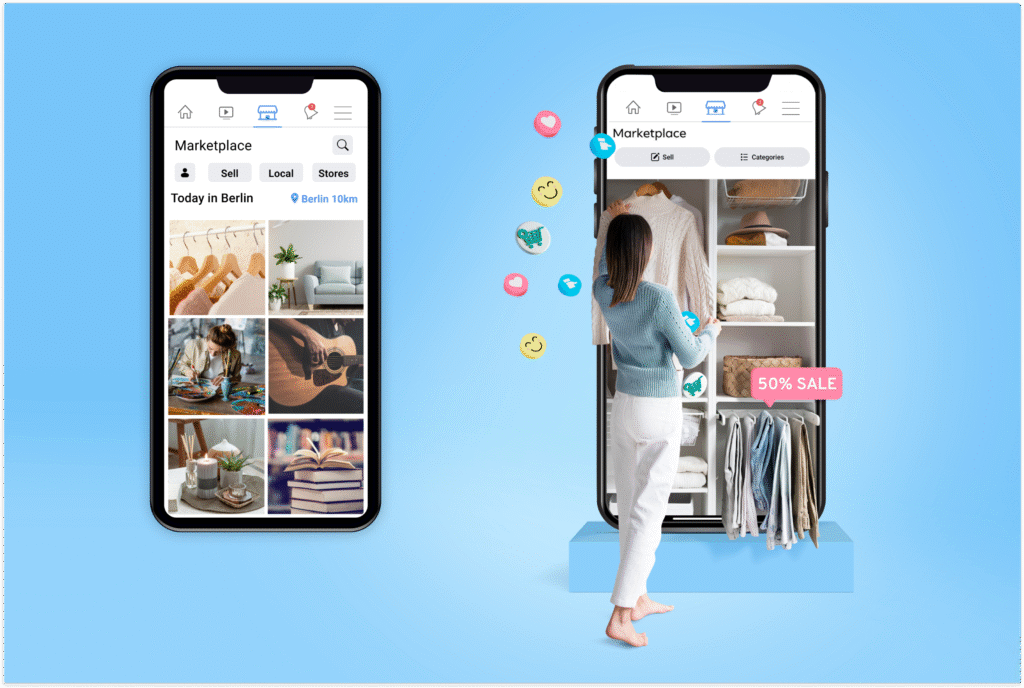
Social commerce is rapidly redefining the future of online selling by merging social media engagement with direct purchasing experiences. In 2026, platforms such as TikTok, Instagram, Facebook, Pinterest, and YouTube are no longer just channels for brand awareness; they have become full-scale shopping ecosystems where users discover, evaluate, and purchase products without leaving the app. This shift is fundamentally changing how businesses approach digital sales strategies.
At the core of social commerce is the removal of friction in the buying journey. Traditionally, online selling required users to move from social media to external websites, search for products, and complete checkout separately. Social commerce eliminates these steps by integrating product discovery and checkout within the same platform. This streamlined experience reduces drop-off rates and increases impulse purchases, making social platforms some of the most powerful conversion channels in modern digital marketing.
One of the most significant drivers of social commerce growth is behavioural change among consumers. Users now prefer discovering products organically while scrolling through content rather than actively searching for them. Short-form videos, influencer content, and live streams have become key discovery tools. Instead of traditional advertising, users are influenced by authentic, relatable content that demonstrates real product usage. This has led to a major rise in creator-led marketing, where influencers act as both content creators and sales channels.
AI and algorithm-driven recommendations also play a crucial role in shaping social commerce experiences. Platforms use machine learning to analyse user behaviour, interests, and engagement patterns to deliver highly personalised product recommendations. This ensures that users are shown products they are more likely to buy, increasing conversion rates significantly. According to recent industry insights, social commerce is expected to contribute trillions of dollars to global ecommerce growth, driven largely by mobile-first and AI-driven shopping experiences.
Another major transformation is the rise of in-app purchasing systems. Platforms like TikTok Shop and Instagram Shopping now allow users to complete transactions without ever leaving the app environment. This creates a seamless path from discovery to purchase, reducing friction and increasing conversion rates. Studies show that a large percentage of global shoppers now purchase directly through social media platforms, highlighting how social commerce is becoming a dominant retail channel.
Live shopping and interactive content are also reshaping online selling behaviour. Real-time product demonstrations, Q&A sessions, and influencer-led live streams create a sense of urgency and trust that traditional ecommerce cannot replicate. This interactive format helps customers make faster buying decisions while building stronger emotional connections with brands.
Social commerce is also deeply connected to community-driven decision-making. Users increasingly rely on comments, reviews, and peer recommendations before purchasing. This shift means that trust and authenticity are more important than ever. Brands that focus on transparent communication and genuine engagement tend to perform better than those relying solely on paid advertising.
However, this evolution also presents new challenges. Businesses must now create platform-native content tailored to each social channel rather than repurposing traditional ads. Each platform has its own audience behaviour, content style, and engagement patterns, requiring a more strategic and creative approach to marketing.
Companies like QSSols help businesses adapt to this changing landscape through advanced digital solutions such as AI automation and web development services available at https://qssols.com/ai-automation-services/ and https://qssols.com/web-design-development/. These solutions support brands in integrating social commerce strategies with broader digital ecosystems.
In conclusion, social commerce is transforming online selling by removing friction, enhancing personalisation, and shifting consumer behaviour toward content-driven purchasing. As social platforms continue to evolve into fully integrated shopping environments, businesses that embrace this shift will gain a significant competitive advantage. The future of online selling is no longer separate from social media—it is embedded within it.