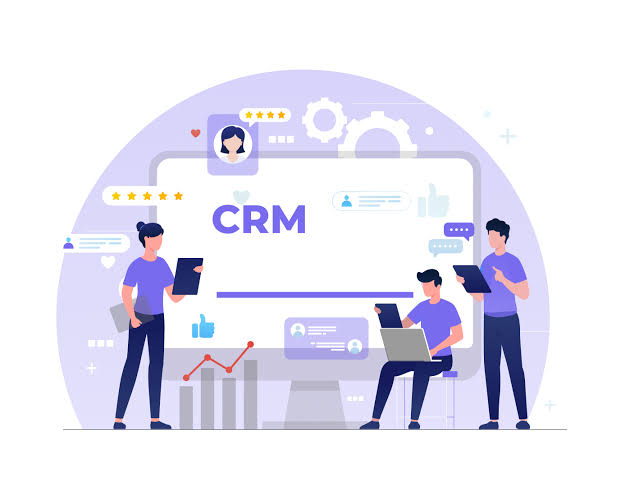
Customer Relationship Management (CRM) systems have become essential tools for modern businesses aiming to improve lead nurturing and accelerate sales growth. In 2026, CRMs are no longer just digital contact databases; they are intelligent platforms powered by automation, artificial intelligence, and real-time analytics. These systems help businesses manage customer relationships more effectively, track every interaction, and guide prospects through the sales funnel with precision and consistency.
At its core, a CRM system centralises all customer data in one place. This includes contact details, communication history, website interactions, purchase behaviour, and engagement across marketing channels. By consolidating this information, businesses gain a complete view of each lead, allowing sales and marketing teams to make more informed decisions. According to CRM industry insights, companies using structured CRM systems experience improved conversion rates and more accurate sales forecasting due to better visibility into their pipelines.
One of the most powerful uses of CRM systems is lead nurturing automation. Lead nurturing refers to the process of building relationships with potential customers by providing them with relevant content and timely communication throughout their buying journey. Instead of manually following up with each lead, CRM automation enables businesses to create structured workflows that send personalised emails, reminders, and messages based on user behaviour. This ensures that no lead is ignored and every prospect receives consistent engagement.
Modern CRM platforms also use AI-powered lead scoring to prioritise high-quality prospects. Lead scoring assigns values to different customer actions such as visiting pricing pages, downloading resources, or opening emails. AI systems go further by analysing behavioural patterns and predicting which leads are most likely to convert. This allows sales teams to focus their efforts on high-intent prospects, improving efficiency and increasing sales success rates.
Another important feature of CRM systems is segmentation. Businesses can group leads based on demographics, interests, behaviour, or stage in the sales funnel. This makes it possible to deliver highly targeted messages that resonate with each audience segment. Instead of sending generic marketing campaigns, companies can create personalised journeys that guide customers from awareness to consideration and finally to conversion.
CRM systems also play a critical role in improving sales follow-ups. One of the most common reasons for lost sales is delayed or inconsistent follow-up. CRM automation solves this problem by creating task reminders, scheduled calls, and automated responses that ensure timely communication. Research shows that faster response times and structured follow-up processes significantly increase conversion rates and reduce lead drop-off.
Integration with marketing channels is another key advantage. CRMs can connect with websites, email platforms, social media ads, and chat systems to track customer behaviour across multiple touchpoints. This allows businesses to build a complete customer journey and understand how each interaction contributes to conversions. When combined with analytics tools, CRM systems provide deep insights into campaign performance and customer behaviour trends.
Artificial intelligence is further enhancing CRM capabilities by enabling predictive analytics, sentiment analysis, and automated recommendations. Modern systems can suggest the next best action for sales teams, identify at-risk customers, and even forecast revenue based on pipeline data. This transforms CRM platforms from passive databases into active decision-making tools that support business growth.
Businesses looking to maximise CRM performance often integrate it with advanced digital solutions such as AI automation, marketing systems, and web development platforms. Services like those offered by QSSols help companies implement CRM-driven workflows, automate marketing processes, and improve customer engagement through intelligent systems such as https://qssols.com/ai-automation-services/ and https://qssols.com/web-design-development/.
In conclusion, CRM systems are essential for effective lead nurturing and sales growth in today’s digital environment. By centralising customer data, automating workflows, enabling personalisation, and using AI-driven insights, businesses can significantly improve their sales performance. Organisations that fully leverage CRM systems gain a competitive advantage by building stronger customer relationships, increasing efficiency, and driving sustainable revenue growth.